
Call us now :08045802638
 Send Inquiry
 Send Inquiry
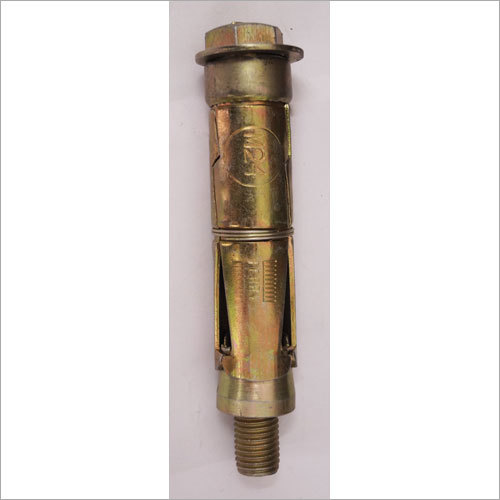
Wedge Anchor Thru Bolt
MOQ : As per requirement Piece
Wedge Anchor Thru Bolt Specification
- Head Type
- Hex Head
- Dimension (L*W*H)
- Customizable as per requirement
- Heat Treatment
- Yes
- Surface Treatment
- Electro Galvanized / Hot Dip Galvanized / Zinc Plated
- Thread Type
- Full Thread
- Thickness
- Standard (varies as per diameter and length)
- Length
- 50 mm 300 mm
- Diameter
- 6 mm 24 mm
- Standard
- IS, DIN, ASTM (as required)
- Grade
- SS 304/316, Carbon Steel (options available)
- Use
- Heavy duty fastening in concrete, stone, and masonry
- Shear Strength
- As per relevant standard and diameter
- Tensile Strength
- High (as per grade and standard)
- Application
- Construction, Industrial Fastening, Structural Anchoring
- Material
- Stainless Steel, Mild Steel, Carbon Steel
- Load Capacity
- Varies by size and installation
- Corrosion Resistance
- Excellent in SS316, good in other finishes
- Installation
- Through fixing, expansion mechanism
- Finish
- Smooth, free from burrs
- Thread Size
- M6 - M24
- Packaging
- Box/Carton packing
Wedge Anchor Thru Bolt Trade Information
- Payment Terms
- Cheque, Cash in Advance (CID), Cash Advance (CA)
- Main Export Market(s)
- Australia, Central America, South America, Eastern Europe, Western Europe, Middle East, Africa, Asia, North America
- Main Domestic Market
- All India
About Wedge Anchor Thru Bolt
The installation of Wedge Anchor Thru Bolt is easy, quick and straightforward. When pass through the drilled fixture into the hole it can be easily fitted. The load is secured once Wedge Anchor Thru Bolt is tightened expanding the clip against the holes surface. Our ranges of through bolt are commonly used where critical fixings are required and it can also access independently. Wedge anchors are specifically designed to meet particular specific depths and the required torque values on installation.
Durable Composition and Versatile Application
Crafted from stainless steel, mild steel, or carbon steel, these wedge anchor thru bolts can withstand heavy-duty use in construction, industrial, and structural anchoring projects. Their adaptability supports a wide range of applications, providing peace of mind for demanding tasks in both interior and exterior environments.
Superior Strength and Corrosion Resistance
Every anchor is engineered for high tensile and shear strength in compliance with IS, DIN, or ASTM standards. With material options like SS316, users benefit from excellent corrosion resistance, making these anchors suitable for both corrosive and non-corrosive conditions. Surface treatments further enhance durability.
User-Friendly Installation and Customization
Designed for through fixing and reliable expansion, these wedge anchors are easy to install. Their smooth finish ensures hassle-free handling, while the range of thread sizes (M6M24) and lengths (50300 mm) can be customized to meet project-specific requirements, delivering secure anchoring every time.
FAQs of Wedge Anchor Thru Bolt:
Q: How are wedge anchor thru bolts installed in concrete or masonry?
A: Wedge anchor thru bolts are installed by drilling a hole to the required diameter and depth, inserting the anchor through the fixture, then tightening the nut. This causes the expansion mechanism to secure the anchor firmly in place, providing strong and reliable fastening in concrete, stone, or masonry.Q: What materials are available for these wedge anchor thru bolts and which offers the best corrosion resistance?
A: These anchor bolts are manufactured from stainless steel (grades SS304 and SS316), mild steel, and carbon steel. SS316 stainless steel offers excellent corrosion resistance, making it ideal for harsh or outdoor environments, while other finishes provide good resistance in less demanding conditions.Q: When should stainless steel wedge anchors be preferred over carbon steel variants?
A: Choose stainless steel wedge anchorsespecially grade SS316when working in environments exposed to moisture, chemicals, or corrosive elements where enduring high corrosion resistance is essential. Carbon steel variants suit dry, indoor settings where maximum corrosion protection is not critical.Q: Where are wedge anchor thru bolts commonly used?
A: These bolts are used in construction, industrial fastening, and structural anchoring applications. They are particularly effective in securing heavy loads to concrete, stone, and masonry surfaces in buildings, bridges, factories, and infrastructure projects.Q: What customization options are available for dimension and finish?
A: Wedge anchor thru bolts can be customized in terms of length (50 mm300 mm), diameter (6 mm24 mm), and packaging. Multiple finish options are available, including electro galvanized, hot dip galvanized, and zinc plated, according to project requirements.Q: How do I select the suitable thread size and load capacity for my application?
A: Select thread size (M6M24) and length based on the thickness of the material to be fastened and the required holding strength. Load capacities vary by size and installation; always refer to the manufacturers technical data or relevant standards for optimal selection.Q: What are the primary benefits of using wedge anchor thru bolts for heavy-duty fastening?
A: Wedge anchor thru bolts deliver high tensile and shear strength, reliable holding power, excellent corrosion resistance (especially in SS316), ease of installation, and broad adaptability to different substrates and job site requirements, ensuring secure and lasting fastening.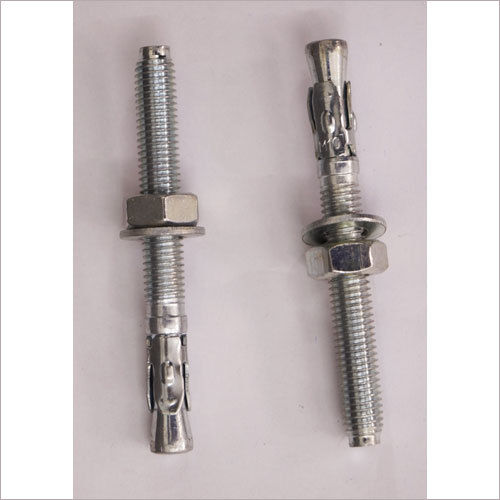
Tell us about your requirement

Price:
Quantity
Select Unit
- 50
- 100
- 200
- 250
- 500
- 1000+
Additional detail
Mobile number
Email

More Products in Anchor Bolts Category
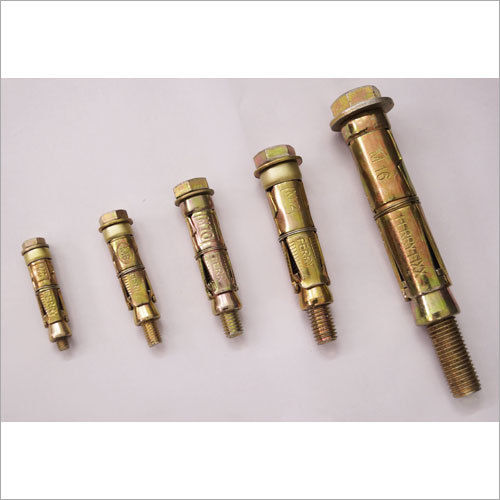
Three Leaf Rawl Bolt
Minimum Order Quantity : 100 Pieces
Thread Type : Metric Fine/Coarse Thread
Use : Heavyduty fixing in brick, concrete, and stone
Standard : IS, DIN, or equivalent international standards
Grade : Mild Steel, Stainless Steel (A2/A4)
Dimension (L*W*H) : Based on diameter and length (e.g., M6 x 60mm, M8 x 75mm, etc.) Yard
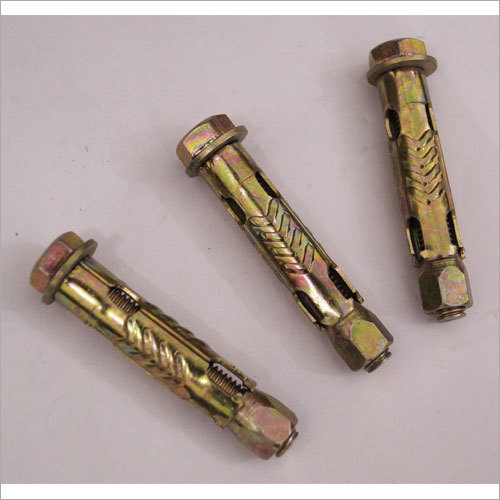
Tam Anchor Bolt
Minimum Order Quantity : As per requirement Piece
Thread Type : Metric
Use : Industrial and Construction Fastening
Standard : DIN
Grade : SS304
Dimension (L*W*H) : As per requirement
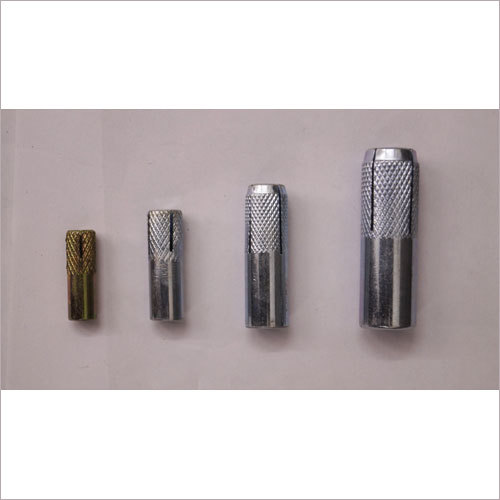
Drop In Anchor Bolt
Minimum Order Quantity : 1 Piece
Thread Type : Internal Thread
Use : Used for fixing into concrete, masonry, and solid structures
Standard : IS, DIN, ASTM, BS as per requirement
Grade : 4.6/5.8/8.8 or as required
Dimension (L*W*H) : Depends on diameter and length chosen1 Meter (m)
Three Segment Shield Anchor
Minimum Order Quantity : As per requirement Piece
Thread Type : Metric
Use : Heavy duty fixing in concrete, masonry, and stone
Standard : IS / DIN / BS
Grade : Mild Steel / Stainless Steel
Dimension (L*W*H) : Standard sizes or customized

 Send Inquiry

E 2, SECTOR B 1, TRONICA CITY, Ghaziabad - 201102, Uttar Pradesh, India

Mr Harpreet
(Proprietor)
Mobile :08045802638
 Send Inquiry
 Send SMS
Developed and Managed by Infocom Network Private Limited.
